

Fertility is not an isolated function of the body. On the contrary, it reflects its overall condition – from the hormonal system to metabolism and general health. And in this equation, nutrition plays a decisive role.
In recent years, research has confirmed that what we eat affects both the quality of eggs and sperm, as well as the environment in which a pregnancy can begin.
In other words, diet is not only about weight or energy. It is also about fertility.
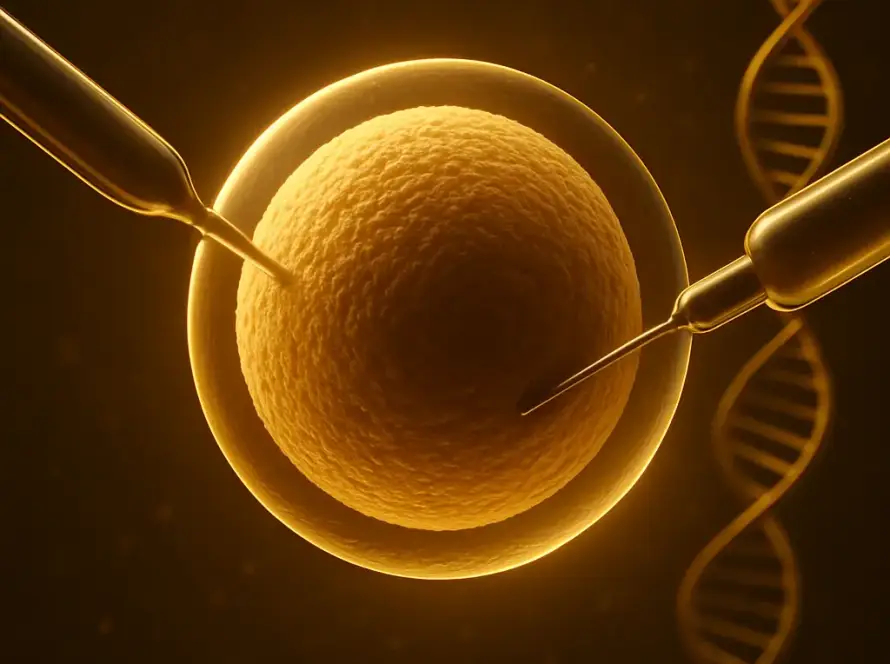
Egg quality is influenced by diet and lifestyle.
Ovagenesis studies how these factors shape fertility.
For conception to occur, three key elements must function properly: ovulation, sperm, and the hormonal environment of the uterus. All of them are influenced, directly or indirectly, by diet.
A diet that does not fully meet the body’s needs can disrupt the delicate balance of hormones, the menstrual cycle, and sperm quality. This happens because when the body lacks the nutrients it requires, it prioritizes energy for basic survival functions first, and only then for more demanding processes such as reproduction.
The reproductive cells involved in a pregnancy do not simply “appear” at the moment of conception. They mature gradually over the preceding months, influenced by the body’s nutritional and metabolic environment.
During this period, factors such as blood sugar levels, inflammation, and oxidative stress play a role in the quality of both eggs and sperm. A balanced diet can improve these conditions, while a poor diet can worsen them.
There is no single “fertility diet”. However, certain choices appear to support the reproductive system:
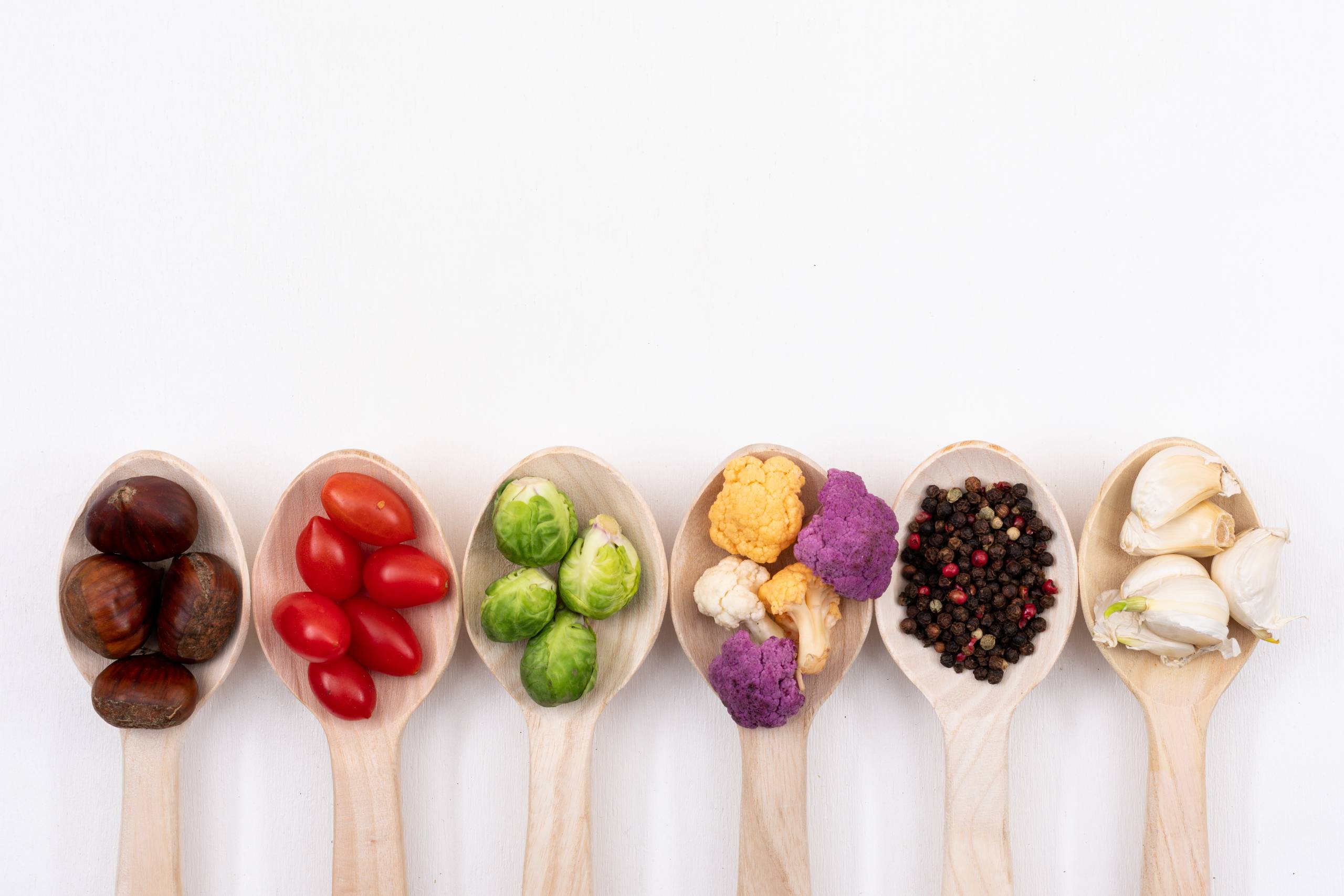
Healthy fats, such as olive oil, nuts, and fatty fish
Adequate protein from eggs, fish, legumes, and dairy
Plenty of vegetables, especially leafy greens
Fruits with high antioxidant value
These foods help regulate hormones and reduce inflammation – two factors that are critical for conception.
On the other hand, regular consumption of sugar, white flour, processed foods, and large amounts of alcohol is linked to metabolic and hormonal disturbances that affect fertility. This does not mean that a single ‘forbidden’ meal ruins the chances of conception, but that the overall pattern of the diet matters.
Fertility is not shaped in a single moment.
It is influenced by choices repeated over time – how we eat, how we care for our bodies, and how we create the conditions in which a pregnancy can begin. And in this process, diet is one of the most essential factors
Contact us today to schedule your appointment and learn more about the solutions designed for you.
Fill out the form below, and we’ll get back to you as soon as possible.